

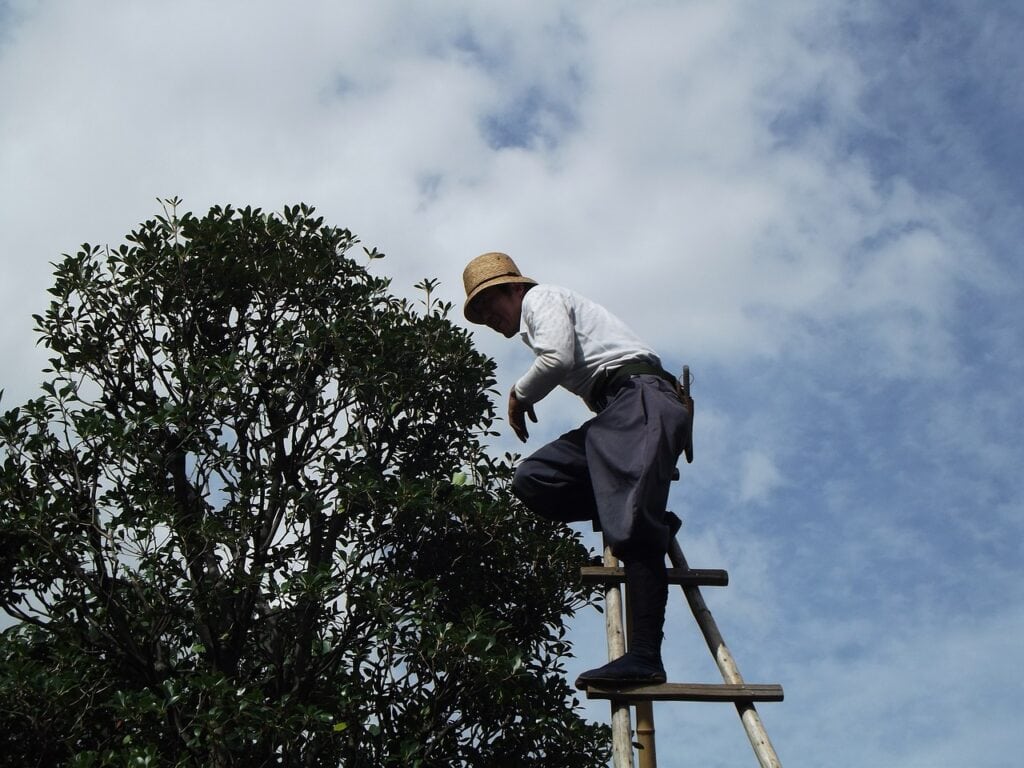
The presence of trees in your yard that are thriving and healthy is a gift not only to you in the form of shade and an improvement in the quality of the air around you, but also to the overall appearance of your neighbourhood as a whole. It is not particularly difficult to care for your trees in order to optimise the benefits they provide throughout the year; however, doing so may require more labour in order to ensure that correct care is given as the seasons change. As a result of this, there are a lot of different reasons why you would want to work with a tree cutting company. Here are the reasons why it could be a good idea to hire a team of qualified arborists to assist you with the maintenance of your trees.
The strategy and science of when and where to chop down a tree is something that professionals are well versed in. As a result, they are able to securely remove a tree from a potentially hazardous location, such as next to your house, and prevent any damage to your property as a result. See our list of available arborist services Perth for your tree removal solutions.
It is possible to maintain your own trees by renting or purchasing the necessary equipment, but doing so may be costly. In addition, after the equipment has been purchased, it will require regular upkeep as well as a location to be stored. You would also need to acquire the knowledge necessary to operate it in a manner that is both secure and efficient. Trained professionals have access to all of the necessary equipment and can arrive at your property prepared to use it all in a secure manner in order to tend to the trees that require treatment.
Benefits Of Routine Tree Trimming
Do you wish to increase the allure of your trees by using the services of a company that trims tree branches? Trees not only give shade, which helps to keep your building cooler, but they also contribute to cleaner air, which makes breathing easier.
Did you know that a tree might potentially live for up to 600 years if it is properly cared for? With proper maintenance, the trees that you have on your property have the potential to live for a very long period.
Continue reading to find out the many benefits of tree trimming, as well as whether or not you should give this some thought.
Value And Appearance
Trimming the branches of trees on your property can be able to help improve its appearance. Your property will have more kerb appeal and will stand out more stylishly if you plant some beautiful trees. Enhancing the appearance of your trees is a great place to start if you want to make your backyard and other outdoor spaces look better. When passing your property in a vehicle, the trees on your land could be the first thing that people see.
Do you plan to sell your property at some point in the near or distant future? Regular pruning has the potential to assist increase the value of a property. If you keep your trees in good condition, it will be much simpler and quicker for you to sell your house for the highest possible price. Therefore, it is to your advantage to provide your trees with additional care and attention. Tree care services are an investment that will pay off in the long run and are well worth the money spent on them.
Tree Health
Regular pruning has the potential to contribute to the improvement of the trees' health. You should hire tree service if you do not have the necessary expertise to complete this work.
The development of your trees can be influenced by how they are trimmed and pruned. The overall beauty of your trees will benefit from regular pruning if you perform it. When you prune your trees and remove dead or diseased branches, you make it simpler for other portions of the tree to thrive. If you prune your trees and remove any dead or diseased branches, you may see an increase in the number of fruits and leaves they produce.
More Safety
Your trees' lack of care might have a negative impact on the overall quality of your landscape. Your family, your guests, and even people who are just passing by all be in danger if you have dead trees on your property. The falling of dead branches from your trees can cause a variety of problems, including damage to your home, injury to passersby or neighbours, and other problems.
You may prevent these problems by maintaining a regular trimming schedule for your trees, which will help preserve their health. A professional trimming keeps you from having to deal with sick trees, which can be a vector for the spread of disease, and makes your trees look more appealing.
More Sun Exposure
Did you know that the trees in your yard require at least three hours of sunlight each day? Your trees may benefit from having increased sun exposure if you have tree care services performed. Your trees will have an easier time thriving if they are given a greater amount of exposure to sunshine. Regular tree trimming improves air circulation and contributes to the general health of your tree population by removing dead and diseased branches.
Better Structure
A weak tree structure can result in the breaking of tree limbs and possibly in the death of the entire tree. Your landscape will also take on a different appearance as a result of this. A professional service can help you improve the structure of your trees so that they look better.
It's possible that you're worried about the tree branches on your property that are either too high or too low. Because of this, you ought to think about performing structural trimming. The practise of structural pruning is one that is helpful for trees in landscapes. This gives you the ability to keep your trees stable and reduces the risk of problems such as damaged limbs or branches falling from the tree.
Detect Issues
By performing routine maintenance on your trees, such as trimming and pruning, you can detect potential issues. It's possible that you are unaware of the grave problem that your trees are experiencing.
If you lack the necessary understanding, it is possible for you to ignore some ailments, specifically these three, as well as other problems. An arborist can provide you with early detection of significant problems that may be affecting your trees. Your trees can be treated by them without any difficulty, and they can also avoid the occurrence of other issues.
View Enhancement
Are you unable to see out of your home because of the trees on your property? It's possible that the view of the mountains, ocean, or valley from where you reside could use some improvement. By regularly trimming your trees, you can improve the visual pleasures you experience in your yard. Worrying about tree removal? Then, Tree Amigos tree removal solution is the right choice!
If you don't want to cut down every tree on your land, you should give serious consideration to this alternative. You can clear your view by removing the largest tree limbs that are blocking it by performing routine tree trimming. Experienced arborists are aware of how many limbs need to be lopped off in order to get the look and feel that a client desires from their tree.
Pest Management
The routine cutting down of branches enables you to have greater control over pests. These pesky insects are attracted to trees in the yard by nature.
It's possible that you are unaware of the fact that thousands of different types of insects have the capacity to cause harm to the trees in your yard. If the trees are situated too close to your house, the insects will find it much simpler to get inside, which will only make the problem worse. Therefore, performing routine tree trimming on your property could assist you in gaining a better handle on this issue.
More Savings
Regular tree pruning is one of the best ways to protect your trees and your home from suffering significant damage. If you don't have to deal with the costly damages that your trees cause, you'll be able to keep more money in your pockets.
If other persons are hurt on your property as a result of fallen tree branches, you could be responsible for paying significant medical bills and legal fees. Therefore, regular trimming is a possibility that you should think about pursuing.
7 Benefits To Hiring A Tree Cutting Company When Your Tree Dies
In the event that your tree passes away, you should seek the assistance of a tree cutting company. It is of the utmost significance that you complete your study. If you hire a service that has been granted a licence, you will be aware of what to anticipate in this manner.
Are you prepared to find out the advantages of having tree service performed on dead trees? Continue reading to gain knowledge today.
Protect Your Home And Property
Damage will be done to your home if dead trees have resulted in tree limbs hanging over it. When there is a lot of wind, they have a greater risk of toppling over and smashing into your house. You need to get in touch with tree cutters as soon as possible to take care of the disposal of the dead tree so that you can protect your home.
Improve Curb Appeal
Your home's kerb appeal could be negatively affected by trees that are unsightly. In particular, this is the situation when the tree passes away. Because of this, it is essential to enlist the assistance of certified tree care specialists in order to have it removed and increase the value of your home.
Clearer Space
After a tree has passed away, it will spend a significant amount of time doing nothing but rotting away. However, if you employ somebody to cut down the trees, the process will just take a single day. That means you now have the ability to increase the quality of your life through the addition of a shed, a pool, or any other project.
Improve Safety
Did you know that approximately 33 persons lose their lives each year as a result of being struck by a falling inanimate object? One of the contributing factors of these fatalities is the presence of dead tree limbs and branches. If you want to make sure that you are as safe as possible, the first question you should ask yourself is "where can I locate a tree specialist close to me?"
Better Property Care
When done by oneself, cutting down dead trees can lead to a wide variety of complications. It is possible that it will collapse onto neighbouring structures or onto unsuspecting passersby below. You will be able to ensure that it collapses in a secure spot with the assistance of the professionals.
Better Equipment
It is likely that you do not possess the necessary equipment to bring down a dead tree. When you work with professionals, you get access to cutting-edge equipment such as cranes, stump grinders, chippers, and other machines. This helps to speed up the process and make it more efficient than it would have been otherwise.
Professionals Have Insurance
These professionals not only have better equipment, but they also have insurance for tree pruning. You may rely on them to make up for any mistakes that may be made in the event that something goes wrong. There is no need for you to be concerned about paying for any damages that may have been caused by your tree cutter.
Frequently Asked Questions
Many assume that trimming trees is a simple task that can be handled without professional help. However, there are several good reasons to hire an arborist when trimming trees. First of all, arborists have the training and experience to know how to trim trees without damaging them properly.
They also have the right equipment to safely and effectively trim trees of all sizes. In addition, hiring an arborist can save you money in the long run by helping you avoid costly damage to your property. Given these benefits, it makes sense to hire an arborist when trimming trees.
Storms can cause extensive damage to trees, leaving them broken, uprooted, or leaning precariously. In some cases, it may be necessary to remove the tree entirely in order to ensure public safety. However, a qualified arborist should always undertake tree removal, as there are a number of potential hazards involved.
Furthermore, storm-damaged trees often have deep roots that can be difficult to extract without causing further damage to the surrounding area.
As such, the professionals generally recommend leaving tree removal to the professionals. In cases where a tree can be safely pruned or repaired, it is often best to do so, as this helps preserve the tree's natural beauty and contribute to the local ecosystem's health.
One of the most common mistakes people make when it comes to tree care is improper pruning. While it's important to trim branches to keep your tree healthy, you must be careful not to damage the tree in the process. For example, if you make a cut too close to the trunk, you can injure the tree and prevent it from healing properly.
In addition, it would be best if you also were careful not to remove too much of the leafy growth, as this can put stress on the tree and make it more susceptible to disease. With proper technique, tree pruning can be a helpful way to keep your tree healthy and vigorous. However, if done improperly, it can do more harm than good.
After a storm has damaged a tree, it is important to take care of it properly to ensure that it heals quickly and completely. The first step is to remove any debris from the area around the tree. This will help prevent further damage and allow the tree to access the sunlight and air it needs to heal. Additionally, be sure to water the tree regularly.
This will help to keep the root system healthy and promote new growth. Finally, it is important to fertilise the tree on a regular basis. This will provide essential nutrients that will help the tree recover from the damage and return to its full health. By following these simple steps, you can help your tree to heal quickly after storm damage.
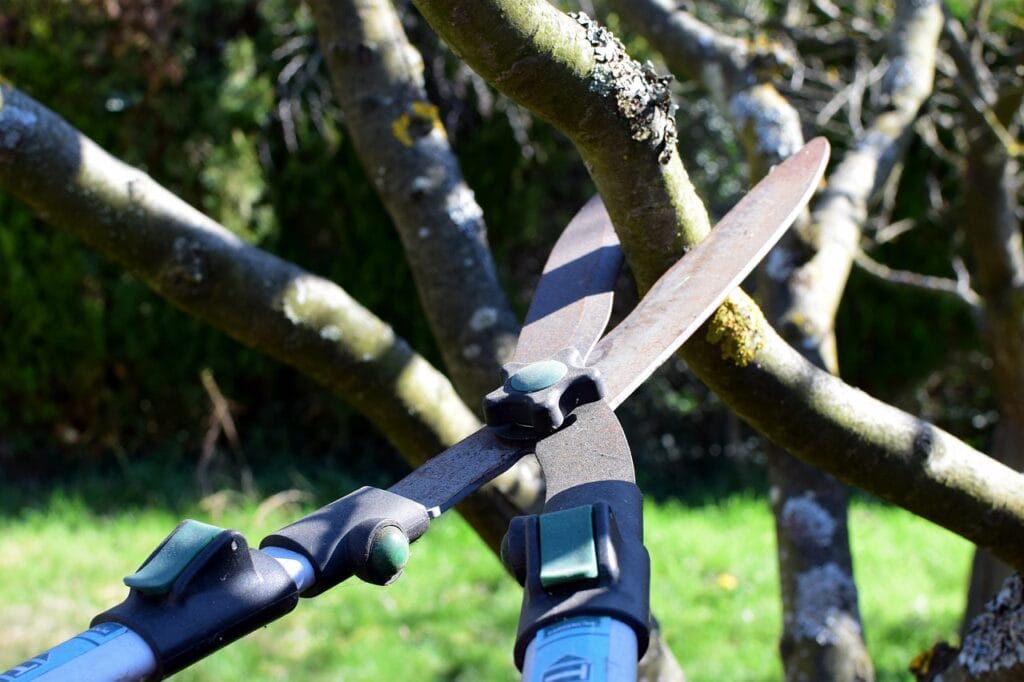
When pruning trees, it's important to avoid cutting too deeply into the branch collar, as this can damage the tree and prevent proper healing. Instead, make your cut just outside the branch bark collar, angling the cut, so it slopes away from the branch.
This will allow water and nutrients to flow more easily to the exposed area, promoting healing. It's also important that you use sharp tools when pruning, as this will reduce the risk of tearing the bark. With these tips, you can safely trim branches without damaging your trees.
11 Things You Should Know About Trees
There are trees virtually in every available space. When you go outside, the most noticeable and impressive plant you will come across is probably a tree. People have an endless amount of questions about trees, whether they are in a forest or in their own yard. This tree guide will be able to help you satisfy that desire and provide you with an in-depth explanation of a tree.
How A Tree Grows
A negligible portion of a tree's total volume is composed of "alive" tissue. Even if only one percent of a tree is actually alive, you can be sure that the rest of it is putting in double time! A thin film of cells just under the bark of a developing tree is known as the cambium. These cells, along with the leaves and roots, make up the living section of the tree. The cambial meristem, which can be as thin as one cell or as thick as many, is responsible for one of nature's most impressive creations: the tree.
Parts Of A Tree
Trees can be found in a wide variety of forms and dimensions, yet they always have a fundamental architecture. They are characterised by a central column that is referred to as the trunk. The crown is made up of a structure of branches and twigs that are supported by the trunk, which is covered with bark. Leaves, on the other hand, are carried by the branches, and one must not overlook the importance of the roots.
Tree Tissue
The three types of tissue that make up a tree are the bark tissue, the root tissue, and the vascular tissue. All of these tissues, which are constructed of a diverse array of cell types, are exclusive to the kingdom of plants and, more specifically, to trees. It is necessary to examine the tissues that support, protect, feed, and water a tree in order to have a thorough understanding of the anatomy of a tree.
The Structure Of Wood
A combination of live, dying, and dead cells make up wood. These cells provide a role similar to that of a lamp wick in that they transport liquids up a tree from its water-seeking roots. A nutrient-dense liquid surrounds the roots and delivers the fundamental nutrients to the canopy, where they are either completely digested or lost via transpiration.
Tree cells are responsible for transporting water and nutrients to the leaves, which is a necessary step in the process of photosynthesis. Tree cells also form the entirety of the structure that provides support for the tree, store sugars that can be utilised, and include specialised reproductive cells that regenerate the living inner and outer bark.
Where Trees Live
There are extremely limited environments in which a tree simply cannot grow. Trees cannot survive in any environment, even the most hostile ones, whether they are native or introduced. The Forest Service has categorised the world's forests into 20 primary regions, each of which contains a distinct collection of trees that are frequented by particular species. These are the aforementioned regions.
Conifers And Hardwoods
There are two primary categories of trees: coniferous trees and hardwood trees, also known as trees with broad leaves. Leaves of conifers can be described as either needle-like or scale-like in appearance. The broadleaf hardwood tree can be recognised by the broad, broad-bladed leaves that it bears.
Identify Your Tree With A Leaf
Find a tree in the woods, get a leaf or a needle from it, and then respond to some questions about it. At the conclusion of the question and answer session, you should be able to name a tree down to the genus level at the very least. After doing some research, you will most likely be able to make your choice on the species.
Why A Tree Is Important
There is no denying the significance, worth, and fundamental requirement of trees to our own existence. We human beings would not be able to exist on this wonderful world if trees did not exist. One could make the argument that our forefathers on both sides of the family climbed trees, but that's a different topic for a different place. If you're looking for tree removal services, you’re in the right place! Check Tree Amigos!
A Tree And Its Seeds
The majority of trees propagate their offspring in the wild through the process of seed dispersal. Trees pass on their genetic information from one generation to the next through the use of seeds, which are essentially embryonic forms of the plants that will eventually develop into mature trees. Ever since there have been scientists, this intriguing chain of events, which begins with the development of the seed and continues with its dissemination and germination, has interested them.
Autumn Tree Color
The remarkable process that causes the majority of trees in broadleaf woods to change colour begins in autumn. There are also conifers that put on a show of colour in the fall. The downed tree recognises the conditions that signal it should shut down for the winter and starts to make preparations for the next chilly and severe weather. The outcomes may come as a complete surprise.
The Dormant Tree
Early in the fall, a tree starts to protect itself from the next winter and gets ready for it. After the leaves have fallen, the leaf scar will shut, which will protect the valuable water and nutrients that have been amassed during the spring and summer months. The tree as a whole will go into a state of "hibernation," which will protect it from the harsh winter weather by reducing its rate of growth and transpiration.