
Tree surgeons, often known as "Arborists," are experts in the care and maintenance of individual trees and shrubs. Their work is more formally referred to as "tree surgery." This stands in stark contrast to the job that a forester or logger would do.
Why would you make the investment in hiring a tree surgeon? The majority of residential and commercial structures are encircled by beautiful gardens. Sometimes the trees or shrubs grow out of control and provide a hazard to the construction and stability of the subterranean utilities, building foundations, or above-ground buildings.
No matter what the cause may be, you need to have a tree surgeon involved in order to solve the situation. But how much does it cost to buy them? And what kinds of credentials do they have to have? Let's keep going with this article and see if we can't find answers to these issues there.
For the time being, let's just stipulate that being an arborist requires specialised education, training, and equipment; hence, you shouldn't anticipate getting paid very little for the profession. In addition, the expense of removing the tree from your landscape might range anywhere from $400 to at least $3000, and this figure does not include value-added tax. Let's be honest: this is a wide range, and at this point, it probably isn't going to be very useful. However, the expense of felling and removing a tree is dependent on a wide variety of circumstances, which we will discuss in more detail later. After that, you'll be able to contrast the costs of common treatments with those associated with your unique issue. This article will help you make a decision about tree stumping and removal. Here at Tree Amigo, we’re passionate about trees!
Tree roots are notoriously aggressive and destructive, especially to the foundations of buildings. In addition to this, they are able to navigate their way through subterranean sewage pipes in search of a source of water. Or they can damage the gas pipes or electrical cables that are buried underground. Consider the following. It's possible that after 20 or 30 years, if you plant a seedling at an acceptable distance of your home, you'll discover that a tree has begun to encroach on your walls. Or, it may have grown to such a height that it is obstructing the path of overhead power wires. It's possible that the tree is getting close to the end of its life, which puts it in jeopardy of collapsing into your neighbor's land.
How Much Do Tree Surgeons Charge?
If you call an arborist, they won't be able to give you a price until they've seen the project for themselves and evaluated it. Okay? The manner in which a trained professional does tree surgery is determined by a variety of criteria. Without first inspecting the tree, it is consequently impossible to provide anything other than a rough estimate of its value.
The following components need to be taken into consideration by the arborist before they can produce an accurate cost estimate or full bid.
- How many trees require maintenance? It will be more cost-effective to handle a large number of trees all at once rather than doing it separately.
- How tall are the trees, and what kind are they? When working with mature trees, an arborist could require access equipment such as a climbing harness, cherry picker, or anything else. Some trees are considerably more robust than others, and as a result, they are able to carry greater loads.
- Will you have to dig up the roots and remove them? Some types of trees have roots systems that are difficult to manage. Some can be eliminated with far less effort than others.
- The position of them. Are the trees close to the structures, and if so, do they block access to the utility supplies?
- Is it possible to drive a vehicle through the trees? There are instances when equipment needs to be transported to the tree via vehicle. They will occasionally employ the vehicle to assist in the removal of obstinate stumps.
- How much trash do we need to get rid of? A significant amount of garbage is generated by trees. The foliage and smaller branches that are fed into a shredder are turned into mulch, while the larger branches are turned into logs. Either the client applies the mulch to their garden and preserves the logs for their own use, or the customer is responsible for removing them from the site.
- How robust is the tree's health? It's possible that the tree is infested with a wide variety of parasites and illnesses, all of which need to be eradicated or treated. Because the disease could potentially spread to other trees, it is more difficult to utilise sick wood.
- The distance between you and the trees. How far does the arborist have to travel to get to the location, and how far is it to the closest garbage centre?
Factors Influencing The Cost Of Tree Surgeon
Before providing an estimate, a tree surgeon will take into consideration a number of different criteria. These are the following:
The Height Of The Tree
A larger tree brings in more money due to the increased amount of labour required and, in some situations, the increased amount of machinery required. Because large trees typically have many branches and a complex growth pattern, taking them down often requires the use of specialised machinery. In addition, additional hours and manpower are required to complete them.
It is quite dangerous because the upper sections of the tree have to fall an extensive distance. The process of felling a tree may need additional steps, such as the use of ropes to lower down particularly heavy limbs, which may drive up the total cost of the operation. In most cases, the higher up the tree you go, the more work there will be for you to perform.
Number Of Trees
Another aspect of the pricing that you are need to discuss with the tree surgeon. It is not a good idea to inform a tree surgeon who has just arrived at your property that they will be responsible for cutting down five trees instead of just one. It is important to be specific from the beginning so that a tree surgeon can give you an exact estimate. In either event, there will be an increase in cost due to the additional trees.
Overhanging Trees
Some trees will need to be removed carefully because they will be growing over other structures such as roofs, greenhouses, and fences. In this scenario, there is a good chance that the price will go up. You will need to acquire permission from the local authorities in order to remove trees that are overhanging a road or public pathway if the road needs to be temporarily closed in order for operations to take place. That will set you back a pretty penny.
Accessibility Of Location
It is typically difficult to get into the backyard of any property, particularly the backyard garden. Access to terraced buildings is typically somewhat constrained, and in other cases it does not exist at all. If you reside in a home that has limited access, you should anticipate paying more for the tree removal service because the remnants of the tree will need to be removed nonetheless. Additionally, make it a point to look for tree surgeons in your immediate area because those coming from further out will factor in the expense of their journey into their estimate.
Removing Waste From Your Garden
If you have a method of getting rid of garbage, you could end up saving yourself a tidy sum of money. In that case, you might be required to pay to have the rubbish removed from your property. This may end up being expensive, particularly if the components are cumbersome and have to be dragged to the front garden in order to be loaded onto a truck there.
If you know someone who has a log burner and is willing to take the wood away for their use, some may even pay you to take the logs, and if the tree surgeon only needs to fell the tree, the price should be lower. If you put an ad in the paper or online, like on gumtree, or if you know someone who has a log burner and may be willing to take the wood away for their use, you can help reduce the cost.
Stump Grinding
Grinding the stump eliminates the remaining portion of the tree after it has been cut down, which is often done immediately above ground level. This results in an unattractive stump that may or may not regrow and produce suckers depending on the circumstances. If you want something done, then you should anticipate paying a fee to have a tree surgeon do it for you. The degree to which a stump is ground varies on the species of tree being removed. If you are the one who cut the tree down, you might not even need to hire a tree surgeon to take care of removing the stump. Worrying about tree removal? Then, Tree Amigos tree removal solution is the right choice!
DIY Vs Tree Surgeon
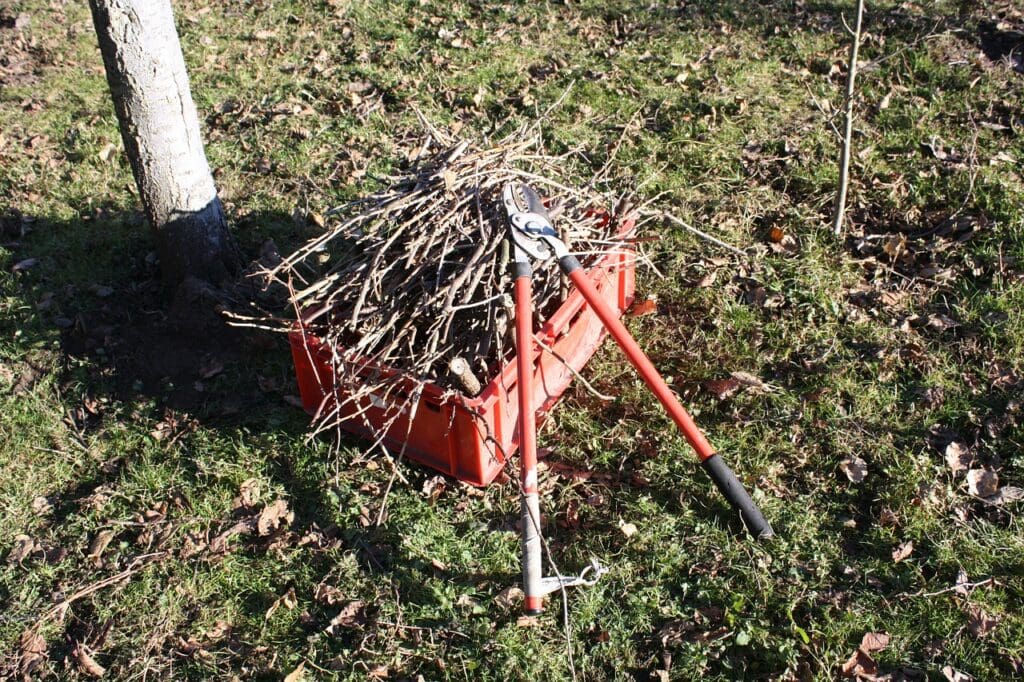
If you want to cut down a tree on your own and clean up the mess afterwards, you need be prepared to spend money on the tools and equipment you need if you don't already have them. You'll need a chainsaw and/or an axe, safety glasses, gloves, short-sleeved shirts, and special chainsaw trousers for this job. You'll also want to wear protective eyewear. When dealing with flying debris, it is important to keep yourself adequately shielded. It may sound appealing, but some people have a fear of heights or simply don't enjoy doing work that requires them to climb up to a height of one hundred feet to prune a tree.
On the other hand, arborists are eager to tackle any project that comes their way. The felling of trees can be a highly dangerous activity, particularly when chainsaws are involved, so it is best to leave anything larger than a small tree to those who are trained and experienced in the field. Tree surgeons are capable of down trees because they have received training in both chainsaw and tree felling techniques and have followed the proper protocols. They may help transform the appearance of your landscape in a matter of hours or even days.
Frequently Asked Questions
A tree surgeon is trained in the care and maintenance of trees. This can include trimming branches, removing dead or diseased limbs and dealing with pests and diseases. Tree surgeons often work in parks and gardens, ensuring the trees are healthy and looking their best.
They may also be called upon to deal with problem trees, such as those damaged by storms or become a danger to the public. In such cases, tree surgeons will need to use their skills to remove the tree without causing further damage safely.
Tree surgery is caring for trees, usually in an urban environment. It can involve anything from trimming branches to removing entire trees. Tree surgeons often work with arborists, certified professionals with specialised knowledge of tree care. The main goal of tree surgery is to maintain the health and safety of trees.
This can involve pruning dead or diseased branches, removing obstacles preventing the tree from getting the sunlight it needs, or simply giving the tree a regular checkup. Tree surgery can be performed on both live and dead trees, and it is often used as a last resort to save a tree in danger of being removed. While tree surgery can be expensive, it is often cheaper than having to remove an entire tree.
The price of tree surgery can be affected by a number of factors, including the type of tree, the extent of the work required, and the location. For example, large oak trees will generally require more work than smaller fruit trees, and trees in difficult-to-reach places may cost more to service.
In addition, the time of year can also affect prices, as tree surgeons may charge more for work during the busy summer months. As a result, getting a quote from a qualified tree surgeon is important before deciding on a course of action. By considering all of these factors, you can be sure to get the best possible price for your tree surgery.
When it comes to tree surgery, you want to be sure you're working with a team of professionals who know what they're doing. That's why Hawes arborists are the perfect choice for your tree surgery needs.
The team has years of experience and is fully trained in all aspects of tree surgery, so you can rest assured that your trees will be in good hands. Also use the latest techniques and equipment to provide the best possible service. So if you're looking for a team of experts who can provide high-quality tree surgery, look no further arborists.
The average tree surgeon in the United States earns $40,000 per year. However, experienced tree surgeons can earn significantly more, with some earning upwards of $100,000 per year.
The type of work a tree surgeon does can also affect their earnings. For instance, those who work for large companies or government agencies may earn more than those who are self-employed or work for smaller businesses.
In addition, tree surgeons who perform high-risk tasks such as felling trees or working in difficult-to-reach areas may also command higher salaries. Ultimately, the amount a tree surgeon earns depends on a number of factors, including experience, employer, and type of work performed.
Tree Surgery – What You're Paying For
When people are thinking about maintaining their gardens, they frequently forget about the trees. It is all too tempting to make the assumption that your trees and tall shrubs will just continue to exist in the same spot, maintaining their health while maintaining the same size and shape. Keeping trees in good condition and maintaining them at an appropriate size can be difficult and challenging labour, but it is absolutely necessary.
A tree surgeon has the specialised expertise and years of experience necessary, and as a result, they are familiar with the various tree species as well as the unique problems that can affect each tree. If you wish to maintain a tree but are concerned that it is dead, they can examine it for you and give you advice regarding whether or not anything can be done to save it or whether it must be removed. Professional arborists are qualified to evaluate the risks that may be caused by trees.
For instance, branches have the potential to obstruct various things, such as gutters, roadways, roofs, and electricity lines. It is recommended that branches be pruned down before storms arrive in order to reduce the risk of a tree being left in a vulnerable state as a result of bad weather, which could lead to the tree being on the verge of toppling.
The cutting down of a tree and the care of its roots may sound like simple jobs, but in reality, they are both highly specialised services that require the expertise of an arborist. The destruction of certain trees is subject to stringent rules, which is why you should consult an experienced pro to find out whether or not you are permitted to cut down a specific tree. When there is no preservation order on a tree, often known as when you can touch it, the process needs careful consideration, planning, and working procedures to guarantee that it is finished in a safe and efficient manner. Bear in mind that the tree surgeon you hire should have insurance that covers public responsibility. This safeguards your possessions against any potential harm that could be inflicted on them.
Benefits Of Tree Surgery Services
Trees are an excellent addition to any yard not only due to the fact that they look lovely throughout the different seasons but also due to the fact that they offer a number of practical benefits. This includes providing an increased sense of solitude, providing shade from the sun on hot days, and luring a variety of animals and birds to your garden. On the other hand, it is essential to ensure that they are properly cared for and maintained at all times. Tree surgery can have many positive effects on your garden, including those that improve its health and safety as well as its appearance and attractiveness.
Learn about the many advantages offered by tree surgery services. It is important to maintain the health of your trees and hedges. Take precautions to prevent falling branches into your home. Remove any trees that are unhealthy or have died off—this is good for creating lovely landscapes. Find a qualified tree surgeon in your area.
Preserve Tree Health
Trees may give the impression that they are hardy, but without the proper care, there is a possibility that they will become ill or even die, leaving them vulnerable to damage. This could be risky if it results in limbs breaking off or a weakened trunk of the tree. An experienced arborist or tree surgeon might be of assistance to you if you wish to keep the health of your trees in good standing. The arborist will prune the tree so that it can continue to develop in the way that you want it to and yet thrive. See our list of available arborist services Perth for your tree removal solutions.
They may suggest a crown reduction, which requires precise pruning of the tree to bring the tree's height and canopy spread down while simultaneously reducing the height of the tree. In addition, tree surgery can also be performed on other components of your yard, like the hedges. Hedge pruning and trimming services can have a significant positive impact on the overall health of your hedges.
Attractive Landscapes
You should make sure that tree surgery is a crucial component of your plans for the landscaping of your garden in order to improve your views and ensure that your garden is as appealing as it possibly can be. If you don't take care of your trees, they may start to seem unpleasant, which will have an effect on the way your garden looks as a whole.
Not only does a professionally designed garden increase the kerb appeal of your property, but it also makes it a joy to spend time in, which makes it easier for you and your family to take advantage of the outdoors. A tree surgeon may even help you make more room in your garden by eliminating old tree stumps. This can be accomplished through the grinding of the stump or the application of herbicide treatments.
Protect Your Home & Family
It is crucial to take into consideration the effects that growing and ageing trees have on your property as they do so. In the event that a branch fell off the tree as a result of the strong winds, what may it hit? Trees that are growing in difficult places should be adequately cared for, and many people feel that having the tree removed is the best option if it has reached the point where it is too harmful.
If you believe that you have a tree on your property that has become overbearing or that poses a risk to your property or anyone who is standing in close proximity to it, you should have a tree surgeon examine it. They will examine the tree and the region around it, and then provide you with advice after comparing the advantages of keeping the tree against the benefits of maintaining a safe environment. If it turns out that your tree needs to be cut down, they have the option of doing it in sections or all at once.